
Assisted living technology is most useful when it supports safety, independence, communication, and comfort without making daily life feel overly complicated. For residents and families in Glenside, PA, the right tools may include medication reminders, emergency response systems, electronic health records, video calls, fall-detection devices, and environmental controls.
How does technology support residents in assisted living?
Technology helps staff notice changes, organize care, and respond more quickly when assistance is needed. It can also give residents more control over personal routines.
Common examples include:
- Emergency call systems located in apartments, bathrooms, and shared areas
- Wearable devices that can detect a fall or unusual inactivity
- Digital medication records and reminders
- Electronic care plans that help staff coordinate services
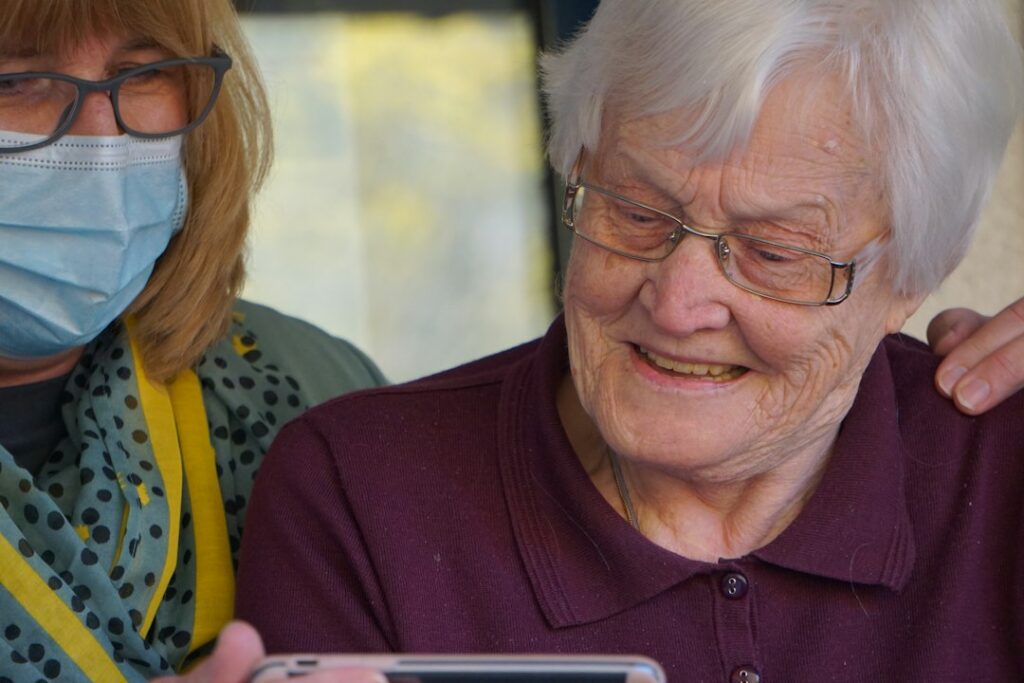
- Tablets or touch-screen devices for communication and recreation
- Automated lighting, temperature, or door-access systems
- Mobility and rehabilitation equipment with electronic tracking features
These tools do not replace human care. A device may alert staff that help is needed, but a trained person still has to assess the situation, provide reassurance, and decide what action is appropriate.
Can technology help older adults remain independent?
Yes. Technology can reduce the need for constant supervision while still providing a way to request help. For example, a resident may be able to move around independently while wearing a pendant or wrist device that connects to an emergency response system.
Smart home features can also reduce everyday obstacles. Motion-activated lights may make nighttime trips to the bathroom safer. Large-button controls, voice commands, and simplified tablets can help residents manage communication, entertainment, and reminders without relying on another person for every task.
Independence does not mean doing everything alone. It means having appropriate support available while preserving personal choice. Technology works best when residents understand how it functions and can decide when and how to use it.
What technology is used for medication management?
Medication technology may help reduce missed doses, duplicate doses, and recordkeeping errors. Staff may use electronic medication administration records to document when medicines are given, refused, delayed, or changed.
Some systems provide alerts when a dose is due. Others use locked dispensers that release medication at scheduled times. In an assisted living setting, these tools are generally part of a larger process that includes prescription review, storage, administration, and observation for side effects.
Families should ask practical questions about medication systems:
- Who enters medication changes into the record?
- How are missed or refused doses documented?
- What happens if an electronic system stops working?
- How are over-the-counter medicines handled?
- How are allergies and medication sensitivities recorded?
- How is information shared with a resident’s authorized family members?
A digital record can improve organization, but it does not eliminate the need for careful communication among residents, families, medical providers, and care staff.
How can technology improve safety?
Safety technology may help identify emergencies earlier, especially when a resident cannot reach a phone. Emergency call buttons, wearable alerts, motion sensors, and door alarms can be useful for residents at risk of falls, wandering, or sudden illness.
Fall-detection devices may recognize a rapid change in movement and send an alert. However, they are not perfect. A device may fail to detect a slow slide, may be removed by the resident, or may trigger an alert during a harmless activity. Residents should know how to manually request assistance even when automatic detection is available.
In Glenside, seasonal conditions can also affect how technology is used. Winter cold, wet floors, reduced daylight, and power interruptions may increase the value of reliable emergency communication, backup procedures, and well-placed lighting. Technology should support basic safety practices rather than substitute for them.
Does technology replace personal interaction?
No. Technology can make communication easier, but it cannot provide the emotional understanding of a conversation with another person. Video calls may help residents stay connected with family members who cannot visit regularly. Digital calendars can help residents remember activities, appointments, birthdays, and community events.
Some residents enjoy music, online games, digital books, or virtual exercise programs. Others may prefer large-print books, in-person activities, or a traditional telephone. The goal is not to make every resident use the same device. The goal is to offer choices that fit individual abilities, preferences, and comfort levels.
Too much technology can also become frustrating. Frequent alarms, complicated passwords, small text, or unfamiliar menus may increase stress. A simple system that a resident understands is often more useful than an advanced system that is rarely used correctly.
How is personal information protected?
Assisted living technology often handles sensitive information, including health conditions, medication records, emergency contacts, and care notes. Residents and families have a reasonable interest in knowing who can view that information and how it is protected.
Questions worth asking include:
- What information is collected?
- Who has access to it?
- Is information shared with family members only with proper authorization?
- How are passwords and user accounts managed?
- What happens to data if a device is lost or replaced?
- How can a resident or representative request corrections to inaccurate information?

Privacy also applies to cameras, microphones, location tracking, and monitoring devices. These tools should have a clear purpose, defined access rules, and appropriate consent. A resident’s need for safety should be balanced with dignity and personal privacy.
What should families consider before introducing a device?
Families should begin with the resident’s actual needs rather than choosing technology because it is popular or new. A device may be helpful if a resident frequently forgets appointments, has difficulty using a telephone, or needs a simple way to request assistance.
Before introducing a device, consider:
- Vision, hearing, memory, dexterity, and balance
- Whether the resident can charge or wear the device consistently
- Whether staff are able to support its use
- How alerts will be handled during nighttime hours
- Whether the device works during internet or power outages
- The cost of replacement, maintenance, or subscriptions
- The resident’s comfort with tracking or monitoring
Demonstrating the device several times may be necessary. Written instructions should use large text, simple language, and clear steps. A family member can also help establish a routine for charging, cleaning, and checking the equipment.
What are common misconceptions about assisted living technology?
One misconception is that technology always makes care impersonal. In practice, well-designed systems can reduce paperwork and help staff spend more time with residents. The effect depends on how the technology is implemented.
Another misconception is that a fall-detection device guarantees immediate rescue. Alerts can be delayed by poor connectivity, a low battery, device removal, or incorrect settings. Residents should understand the system’s limits.
It is also incorrect to assume that every older adult dislikes technology. Many residents use smartphones, tablets, online banking, digital photography, or video calls. Others prefer minimal technology. Age alone does not determine comfort or ability.
What does good technology use look like?
Good technology is understandable, dependable, and connected to a clear care purpose. Residents should receive an explanation of what a device does, what it does not do, and how to ask for help if it fails.
The most effective approach combines technology with human judgment, regular maintenance, privacy protections, and personal choice. For local households evaluating assisted living options, the key question is not how many devices are available. It is whether the technology helps residents live more safely and comfortably while preserving dignity and meaningful human contact.
