
What Activities Are Common in Assisted Living Communities?
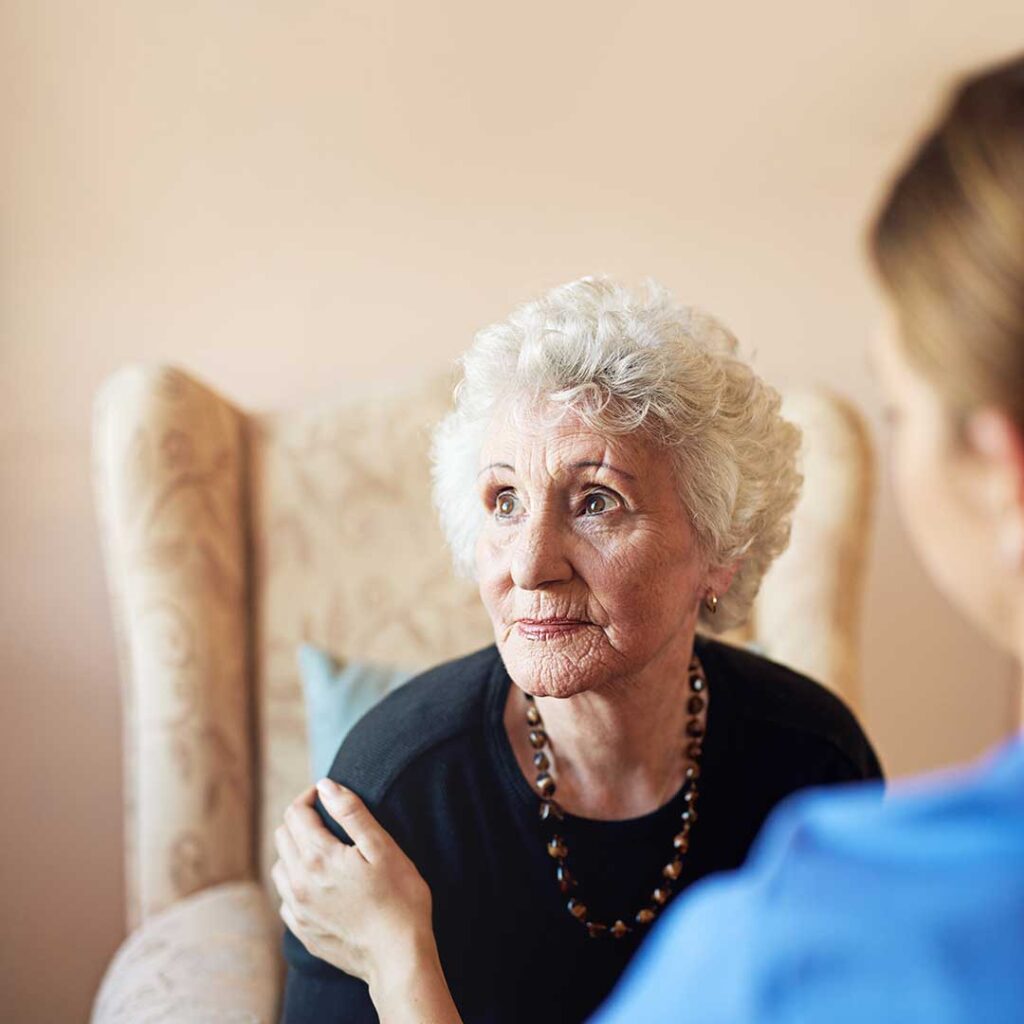
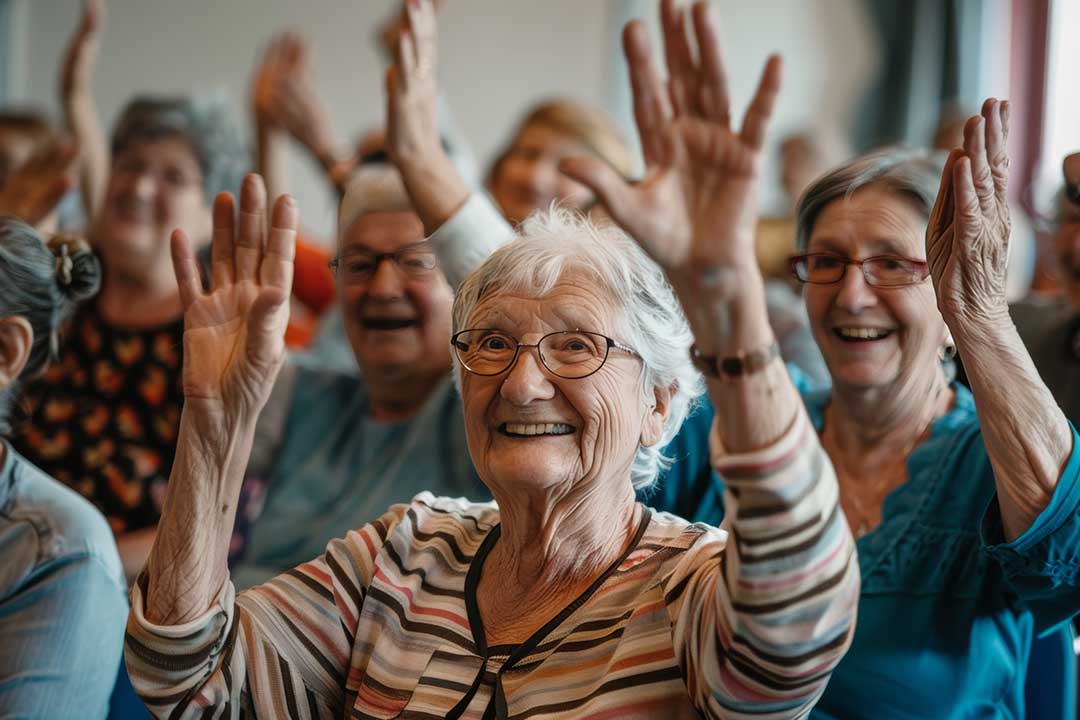
Assisted living residents typically have access to a variety of daily and weekly activities designed to support physical, cognitive, and social engagement. These activities are structured to match different abilities and interests, offering group events as well as more solitary pastimes.
Many communities provide opportunities such as:
- Low-impact exercise classes (chair yoga, stretching, walking clubs)
- Games and puzzles (bingo, cards, board games)
- Arts and crafts (painting, knitting, seasonal crafts)
- Book discussions and reading hours
- Movie nights or musical entertainment
- Holiday and cultural celebrations
Often, activity calendars are posted throughout the building, and families can suggest ideas based on their loved one’s interests. Residents may be surprised by the variety and can typically select their level of participation.
How Do Assisted Living Activities Support Wellness?
Engagement in recreational activities is linked to positive health outcomes. Regular participation supports not just physical health, but also mental and emotional well-being.
Physical activities can help:
- Maintain mobility and strength
- Reduce fall risk
- Improve appetite and sleep quality
Social and recreational programs are designed to:
- Foster connections and peer support, reducing isolation
- Provide mental stimulation and a sense of routine
- Offer creative or spiritual outlets
For those new to assisted living, there’s often a misconception that activities are only for the most active residents. In reality, most offerings are adaptable, with options that suit a range of ability levels and energy. Staff typically work to ensure everyone can take part comfortably.
Are There Outdoor Activities and Local Outings?
Yes, weather-permitting, most assisted living communities in Glenside offer a mix of on-site and outdoor recreation. Seasonal climate in the area means that spring, summer, and early fall bring opportunities to get outdoors and enjoy the fresh air.
Typical outdoor options include:
- Gardening: raised beds or small planters support interest in flowers or vegetables
- Outdoor games: bocce, ring toss, or shuffleboard, adjusted for accessibility
- Picnics and patio lunches
- Nature walks on accessible community paths
- Birdwatching (sometimes with supplied binoculars or feeders set up nearby)
Scheduled outings can include trips to local parks, museums, or seasonal events. Transport is generally arranged by the community, and destinations are chosen based on safety, accessibility, and resident suggestions.
How Are Activities Adapted for Different Abilities?
Activities are commonly offered with built-in flexibility so more residents can participate. Staff are trained to modify games, crafts, and movement-based programs for individuals with mobility, hearing, or cognitive challenges.
For example:
- Games may use large-print cards or oversized pieces
- Arts projects might offer easy-to-grasp tools or simplified steps
- Exercise classes can be done seated or standing
- Staff or volunteers may offer one-on-one support when attending group events
Residents with memory loss can join activities tailored for cognitive engagement, such as music sessions, reminiscence programs, gentle sensory stimulation, or structured social hours.
Can Residents Choose Their Level of Participation?
Yes. Residents are encouraged to take part in group activities, but joining is always voluntary. Some individuals thrive on a busy schedule, while others prefer quiet time or only certain hobbies.
It's common for people to gradually explore new interests once they feel comfortable. Families are sometimes surprised when their loved ones try art classes or join social groups they may have never participated in before. Private pursuits such as reading, journaling, or listening to music are equally supported.
What Role Does the Community Play in Activity Planning?
Most communities have dedicated staff responsible for creating activity calendars. Residents often have the chance to suggest preferences or help plan events. Feedback on what works — and what doesn't — is typically welcomed and used to improve future schedules.
In the Glenside area, activity programs are created with awareness of seasonal weather, indoor space limitations, local cultural traditions, and the mix of backgrounds among residents. This can mean celebrating widely recognized holidays, offering opportunities for intergenerational visits, or incorporating seasonal foods and décor into craft or cooking demonstrations.
Are Spiritual or Interfaith Opportunities Available?
Many residents value spiritual, religious, or reflective activities. Assisted living communities generally provide scheduled group prayer, meditation sessions, or holiday observances as part of their offerings.
Outside spiritual leaders or volunteers may be invited for religious services, book studies, or one-on-one visits, depending on the wishes of residents. Opportunities for individual or small-group reflection are usually respected for those with more private worship needs.
How Can Family Members Participate or Stay Informed?
Staying connected is a key focus for many assisted living communities. Family members are often welcome to attend special events, join holiday celebrations, or participate in intergenerational activities. Virtual options, such as live-streamed concerts or digital group chats, may be available for relatives who cannot be physically present.
Families can review posted activity schedules, provide suggestions, or request updates about particular hobbies or needs. Staff often share photos or stories in newsletters to keep loved ones involved in residents' daily lives.
