
What Kinds of Support Do Assisted Living Staff Provide?
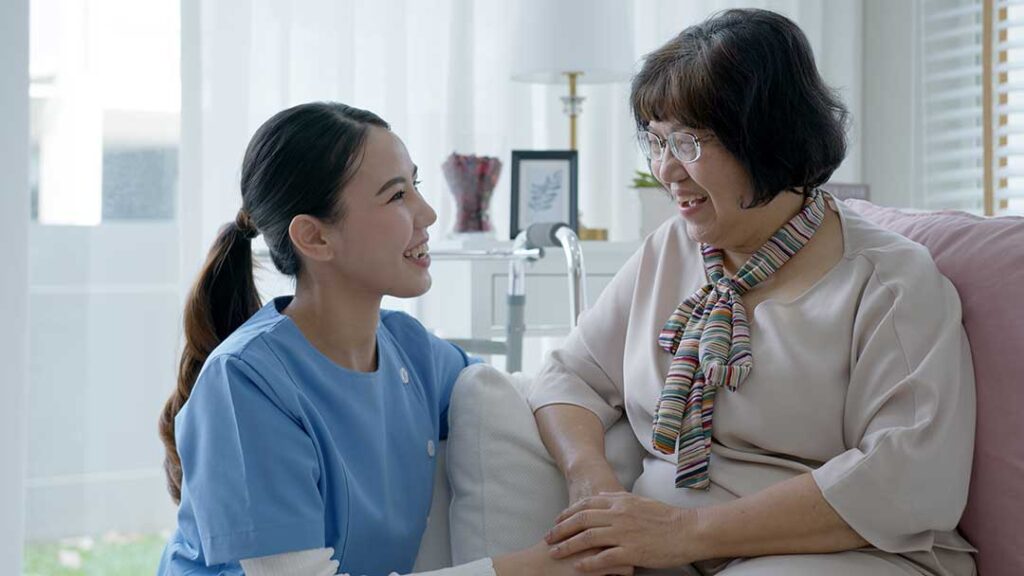
Assisted living staff play a central role in making everyday life safer, more comfortable, and more enjoyable for residents. Their work includes assistance with daily tasks, ensuring medical needs are met, and fostering social engagement. In Glenside, PA, these supports are designed to fit the rhythms and values of the local community, focusing on dignity and independence while offering peace of mind to both residents and their families.
How Do Staff Assist with Personal Care?
Staff help with personal care tasks when residents need it, based on individual plans and preferences. This may include:
- Bathing or showering assistance
- Help with dressing and grooming
- Support for mobility, such as transferring in and out of bed or walking safely
- Toileting assistance and continence care
Staff receive training to respect privacy and encourage as much self-sufficiency as possible. Residents in the area often appreciate approachable assistance, especially during cold winters when bathing or dressing without help can become more challenging.
How Is Medication Managed?
Medication management is a crucial service in assisted living. Staff typically handle:
- Reminders to take medications on schedule
- Physically helping with pill organizers or bottles if needed
- Coordinating with local pharmacies and healthcare providers
Because Pennsylvania regulations require clear procedures around medication administration, residents can expect careful documentation and regular monitoring for side effects or changes in prescriptions.
What About Meals and Nutrition?
Dining services are central to assisted living, both for nutrition and social connection. Staff support residents by:
- Preparing balanced meals suited to residents’ dietary needs or restrictions
- Serving meals in communal dining rooms or to private residences for those who prefer or need it
- Tracking food intake and hydration, which is especially important during Glenside’s humid summers and cold winters
Residents with diabetes, heart conditions, or specific allergies often work with staff and sometimes dietitians to ensure their meals remain safe and enjoyable.
How Do Staff Support Health and Safety?
Assisted living communities prioritize health and safety through a variety of staff roles and protocols. Supports commonly include:
- 24-hour response for emergencies (like falls or sudden illness)
- Regular wellness checks
- Monitoring environmental safety, such as keeping walkways clear of ice in winter or maintaining comfortable indoor temperatures during heat waves
- Coordinating appointments and transportation for local medical visits
Local staff understand the region’s seasonal risks—such as icy walkways or summer heat—and adapt the environment and routines accordingly.
Do Staff Engage Residents Socially and Emotionally?
Staff organize and encourage participation in social, educational, and recreational activities. The goal is to support emotional well-being alongside physical health. This might involve:
- Scheduling and leading group games, crafts, and exercise sessions
- Giving reminders and encouragement to attend activities outside residents’ rooms
- Organizing outings or virtual connections with friends and family
- Taking time for individualized conversation and companionship, especially for those less inclined toward large-group activities

Individual preferences and mobility levels are always taken into account, ensuring residents have options that suit their interests and energy.
How Do Staff Respect Residents’ Independence?
A common misconception is that entering assisted living means losing independence. In reality, staff are trained to provide support only where it’s wanted or needed. They focus on:
- Offering choices whenever possible—such as what to wear, when to eat, or which activities to join
- Using adaptive tools or techniques that let residents remain as independent as their health allows
- Accepting that some may decline assistance, and respecting those boundaries unless safety is at risk
Residents in Glenside routinely set the pace of their routines, and staff adapt to those preferences.
How Are Residents' Needs and Preferences Communicated?
Staff in assisted living communicate with residents regularly to adjust supports as conditions or preferences change. This often involves:
- Scheduled care plan reviews with residents and, when appropriate, their families
- Open-door policies for feedback, questions, or concerns
- Observing subtle changes in behavior, appetite, or energy, which may indicate a need for new support
In the close-knit community of Glenside, these relationships are vital for maintaining trust and ensuring care remains personalized and responsive.
What Are Some Overlooked Ways Staff Make a Difference?
Beyond the obvious duties, staff often provide less visible but equally important support, such as:
- Keeping an eye out for early signs of illness or infection
- Helping residents navigate technology (like video calls with family)
- Assisting with seasonal needs, such as outerwear for winter walks or staying hydrated during heat waves
- Offering reassurance during local disruptions, like power outages or unexpected weather events
These everyday acts, adapted to local routines and conditions, keep residents connected and confident in their living environment.
